Client onboarding
Understand how prospective clients move through information gathering, checks, engagement and setup.

Legal work depends on more than legal judgement. Client onboarding, checks, matter opening, information collection, administration and billing all create recurring operational work around the matter.
WorkflowMind helps you see that work together.
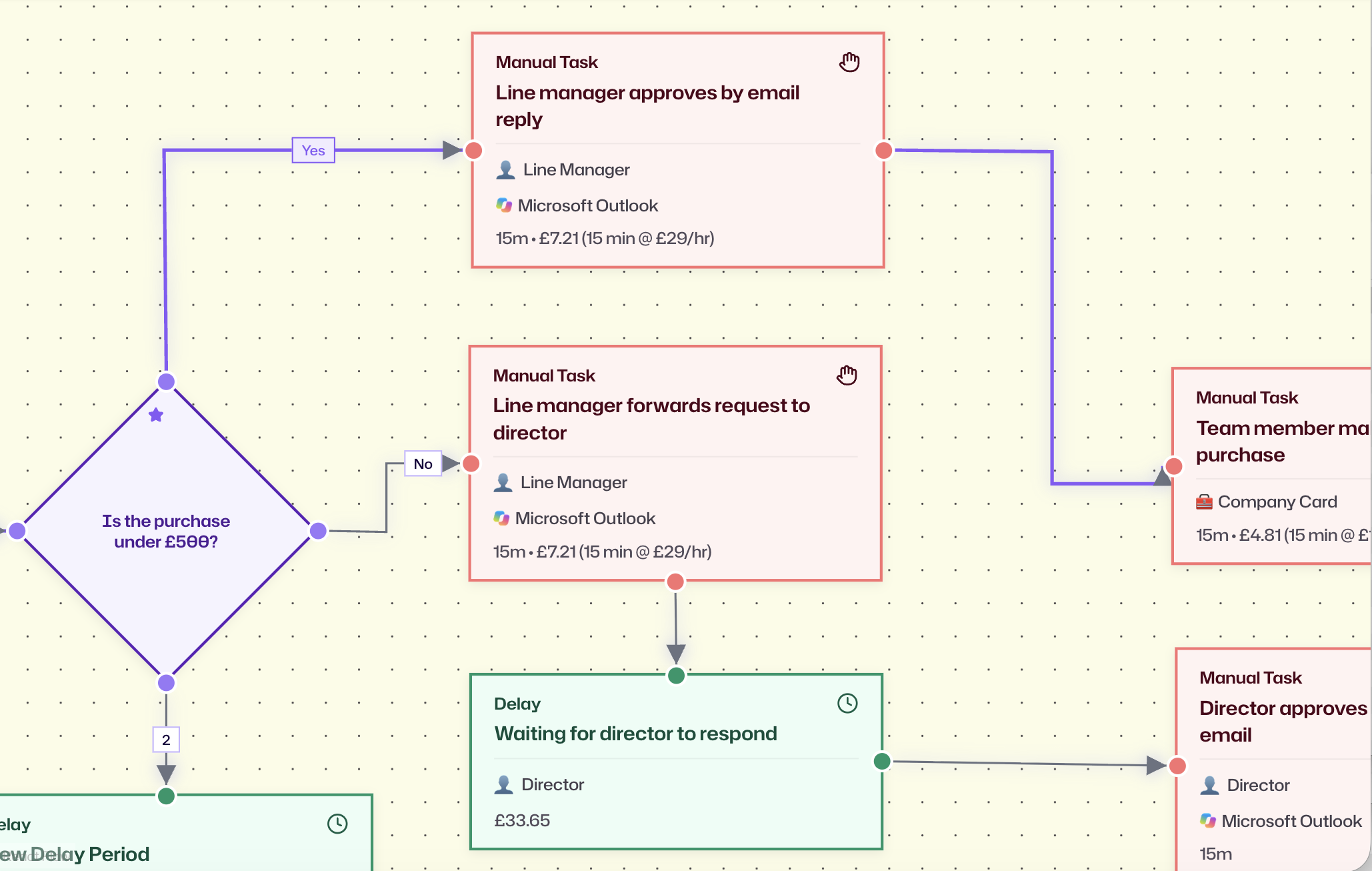
Legal work depends on more than legal judgement.
Clients need onboarding. Checks need completing. Matters need opening. Information needs collecting. Documents move between people. Systems need updating. Bills need preparing.
Much of this work happens across different roles, teams and systems.
WorkflowMind helps you see that operational layer together.
Understand how prospective clients move through information gathering, checks, engagement and setup.
See the activities, people and systems involved in completing and resolving checks.
Understand how information is collected, reviewed, approved and maintained.
See how matters move from instruction through setup and into active work.
Understand the recurring operational activity supporting fee earners and clients.
Map how completed work moves through review, billing, follow-up and collection.
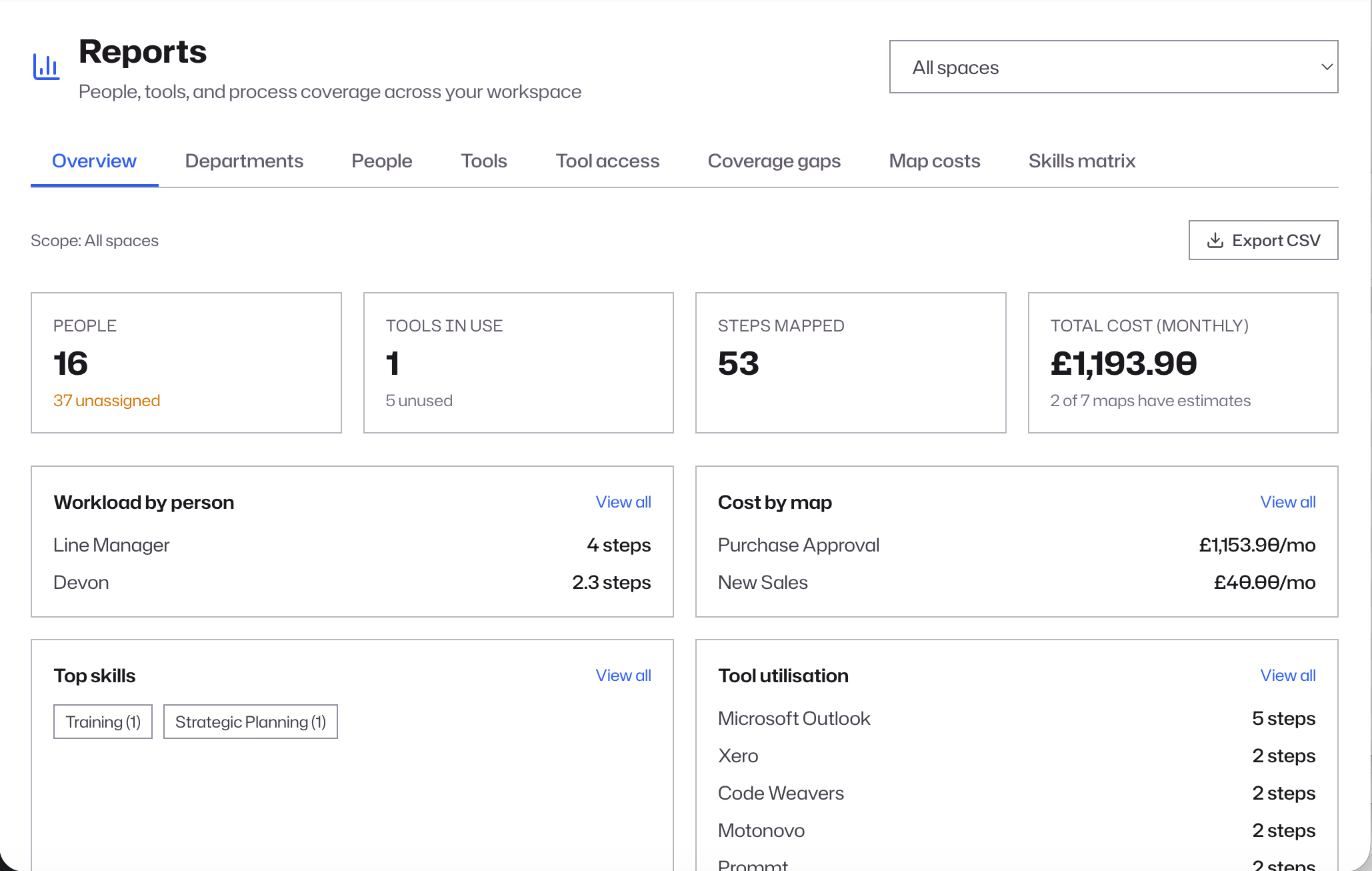
A process map can show you what happens. WorkflowMind connects that work to the operational information behind it.
Understand which roles perform the work and where responsibilities meet.
See which tools support activities and where information moves between them.
Understand where employee and fee-earner time is being used.
See where recurring activity creates demand across teams and roles.
Understand where work passes between people, departments and systems.
Capture repetition, manual activity and other areas that make work harder to complete.
A busy team may genuinely need more capacity. It may also be dealing with repeated activity, uneven distribution, process problems or system-created work.
WorkflowMind helps show what is shaping capacity and which areas deserve closer investigation before the firm decides how to respond.

AI and automation can support many areas of legal work.
WorkflowMind helps you understand the activity, people, systems, workload and judgement involved before deciding whether automation is the right response.
Understand what the operation needs as client and matter demand increases.
See where teams perform similar work differently across the combined firm.
Build a clear view of current ways of working before introducing common processes.
See where additional capacity is genuinely needed and what roles the work requires.
See which processes and people depend on technology before making a change.
Find where automation could meaningfully increase capacity or improve flow while keeping human judgement visible.
Choose a team, function or group of related processes.
We speak to the people doing the work, map what happens and build the operational picture behind it.
Agree what part of the firm you want to understand.
Capture how the work actually happens from the people closest to it.
Connect processes to people, systems, time and workload.
Identify where effort, repetition, handoffs and potential opportunities appear to be concentrated.
See how recurring operational processes happen across the firm.
Understand the people, systems, time and workload connected to those processes.
See where manual activity, repetition and handoffs are making work harder.
Identify the areas that deserve deeper improvement or automation investigation.
Keep what was discovered together and continue building on it.
Review what stands out and discuss where it may be worth looking next.
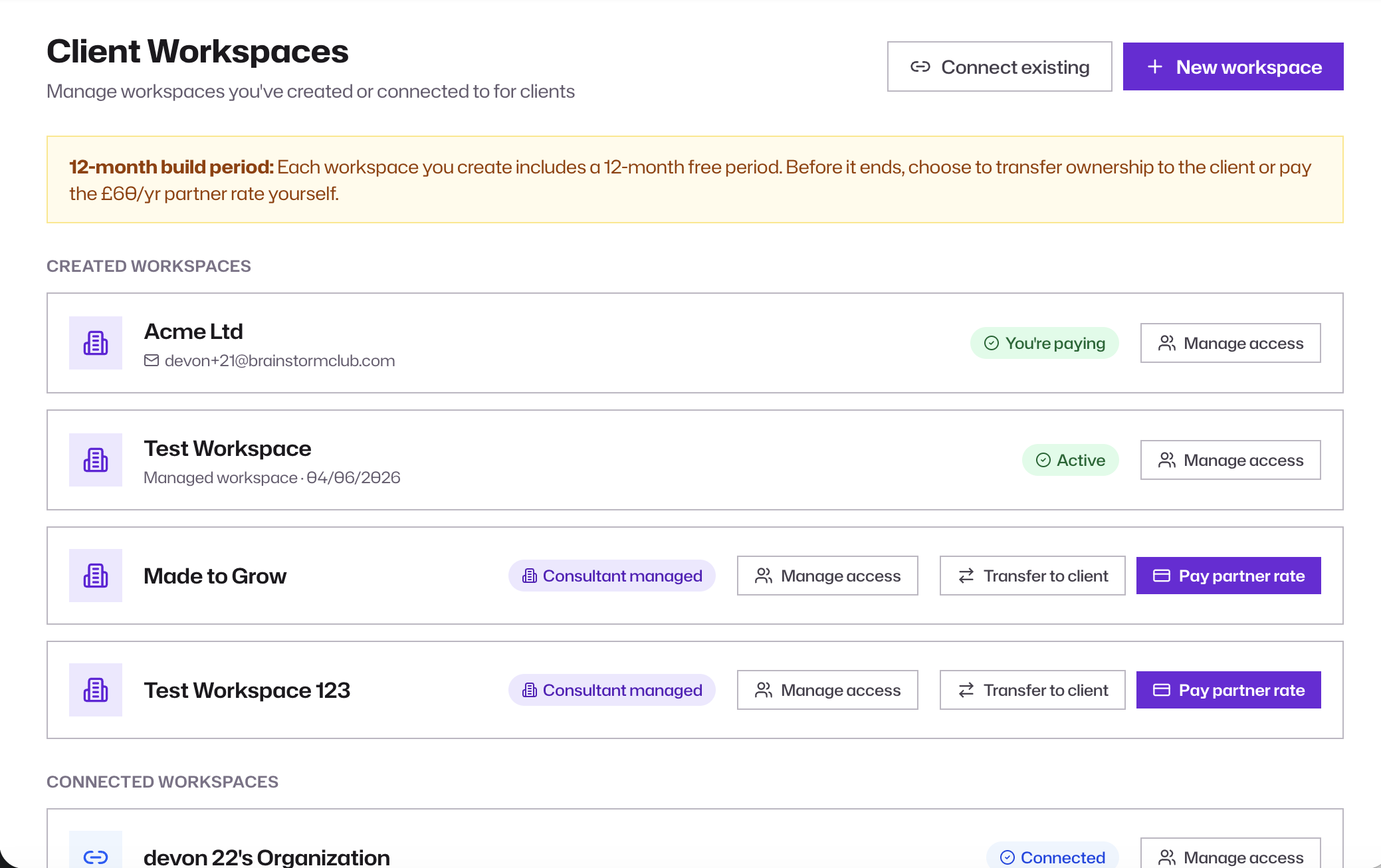
Choose one operational area.
We will build a structured picture of the work and show you where time, workload, friction and potential opportunities appear to sit.
Before hiring, redesigning a process, replacing a system or introducing automation, build a clearer picture of how the work happens today.