
You've decided what needs changing. Now get it working.
Improve the software you have, connect systems that don't talk to each other or build what your operation is missing. We help take defined requirements through to a working solution.
Already have a clear brief? You don't need a full Operational Diagnostic first.
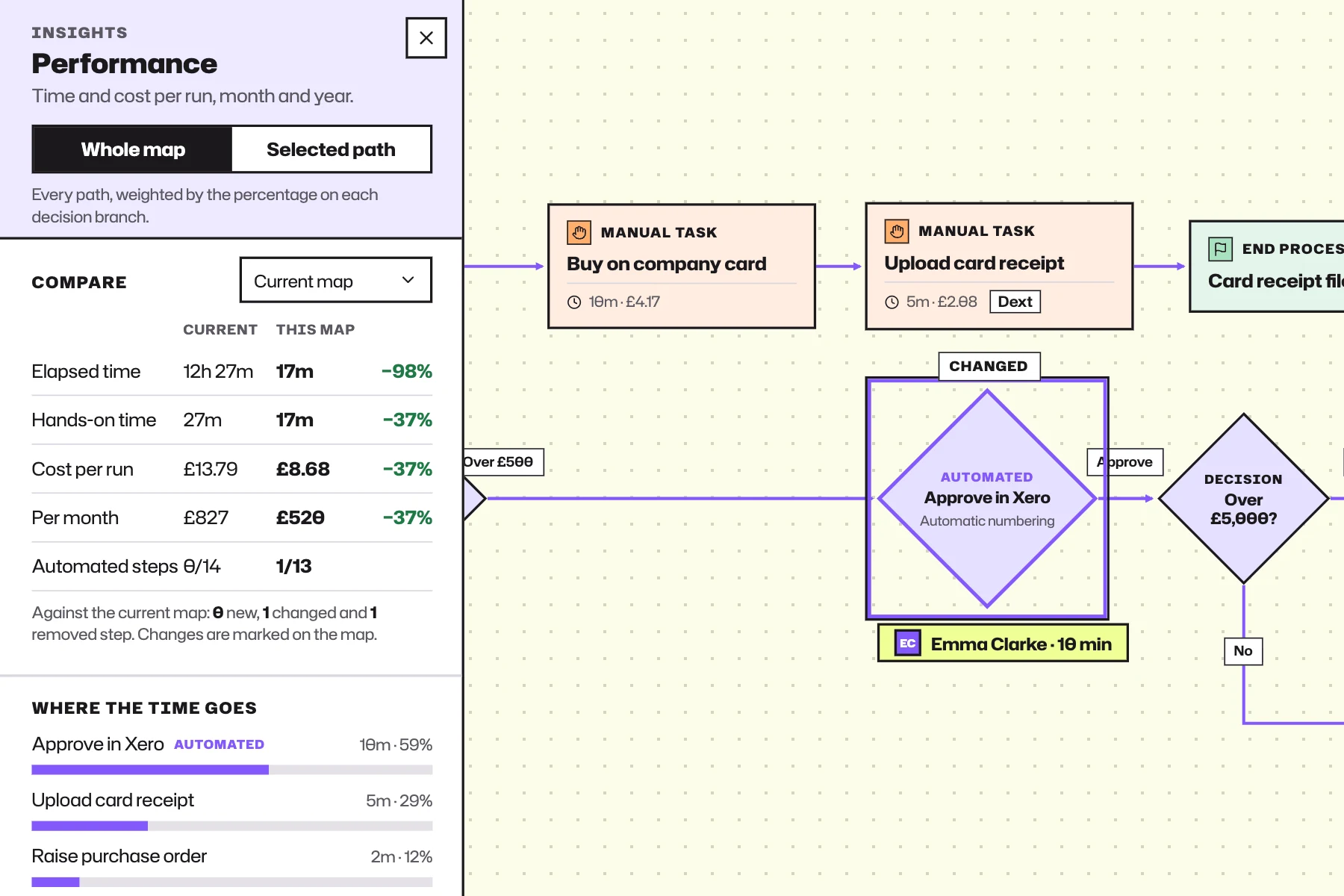
Make more of what you've already got.
Replacing software is expensive. So is continuing to work around a setup that isn't doing its job. We look at what can be improved before recommending something new. The right answer might be configuration, a better handoff, a reliable integration or a focused piece of development.
Fix the gaps in existing systems.
Improve CRM workflows, forms, approvals, data handling and the way people use the applications already in place.
Get applications working together.
Connect customer, booking, finance, operations and reporting systems so information reaches the right place without repeated manual entry.
Automate the work that makes sense.
Build workflows around agreed rules, exceptions and approvals, with people remaining involved where judgement matters.
Build the missing functionality.
Create or improve internal tools, dashboards, applications and other targeted software when existing products don't meet the requirement.
A project starts with a result, not a list of features.
We agree what needs to work differently, who uses it and what will count as success. We also establish what already exists, which systems it depends on and what could go wrong if a change is made badly. If the requirement is clear, we can move into a delivery scope. If different teams want different things, we help settle the important questions before development begins.
1. Agree the outcome.
Define the problem, the users, the boundaries and the change you're paying for.
2. Scope the solution.
Review the existing setup and agree functionality, dependencies, responsibilities, cost and milestones.
3. Build and test.
Make the agreed changes, check them against real use cases and manage releases into the live environment.
4. Hand it over properly.
Document what's been delivered, who owns the accounts and code, and how future changes or support will be handled.
We've delivered work across the systems businesses run on.
Create PT: connecting enrolment and delivery.
Connecting ecommerce, payments, learner access and communications helped support the move from local training to serving learners nationally and internationally.
Read the projectOffice furniture startup: building for growth.
Positioning, acquisition campaigns and CRM systems were part of the commercial work behind a startup that exceeded £1m revenue in its first year.
Read the project
Clear ownership. No unnecessary dependency.
You retain control of your business systems and data. We agree where code lives, who controls production accounts, how changes are approved and what happens at handover.
If we've recommended an improvement through an Operational Diagnostic, you're free to implement it with us, your existing supplier or your own team. We price delivery separately and explain the alternatives.
Keep the system working after go-live.
New software changes the work around it. People find exceptions. Integrations need updating. There will be improvements worth making once the team starts using it.
We can agree ongoing maintenance, fixes and development where appropriate. The level of support depends on how important the system is and what it needs to stay reliable.
Common questions.
Do we need an Operational Diagnostic before implementation?
No. If the requirement is clear and we can assess the existing system, we can scope implementation directly. If the problem or requirements are still disputed, we'll explain what needs investigating first.
Can you work with the software we already use?
Often, yes. We'll assess the platform, available integrations, permissions and technical constraints before proposing changes. We won't recommend replacing a system simply because it's unfamiliar.
Can you take over a project started by another developer?
Potentially. We need to review the code, setup, dependencies and available access before committing to a delivery scope or ongoing maintenance.
Will you give us a fixed price?
Where the scope is sufficiently clear, we can quote against agreed deliverables and acceptance criteria. Uncertain or inherited systems may need a paid technical review before a reliable project price is possible.
Who owns what you build?
Your existing systems and data remain yours. Ownership and licensing for new code, third-party components and project deliverables are set out in the agreement before work begins.
Can you maintain the solution afterwards?
Yes, where suitable. Maintenance, monitoring and response commitments are separately defined so you know what's covered.
Tell us what needs to work better.
You might already have a detailed specification, or you might simply know which part of the system keeps letting the team down. Tell us what you've got and what you need to change.